


Hey there! As a supplier in the industrial measuring field, I've seen a whole bunch of industrial measuring equipment come and go. One question that often comes up is, "What are the factors that influence the lifespan of industrial measuring equipment?" Well, let's dive right in and take a look at the key elements that play a role in how long our trusty measuring tools stick around.
1. Quality of Manufacturing
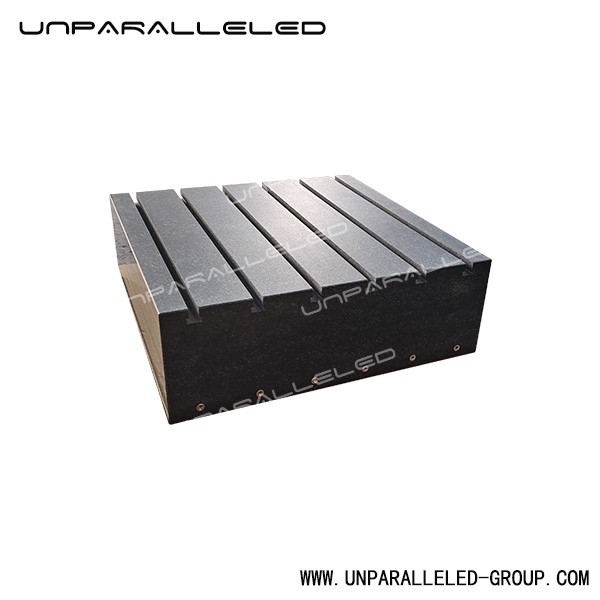
First off, the quality of manufacturing is a huge deal. When a piece of industrial measuring equipment is made with high - quality materials and top - notch craftsmanship, it's going to last longer. For example, if you're using a T - Slot Granite Surface Table, the quality of the granite and the precision of the machining matter a great deal. A well - made table will have a smooth surface, accurate T - slots, and be able to withstand the rigors of daily use without warping or losing its accuracy.
On the other hand, if the manufacturing is shoddy, with cheap materials and poor assembly, the equipment is likely to break down much sooner. You might start noticing issues like inaccurate measurements, loose parts, or even complete failure. So, when you're in the market for industrial measuring equipment, always look for suppliers that have a good reputation for quality.
2. Environmental Conditions
The environment where the industrial measuring equipment is used can have a massive impact on its lifespan. Extreme temperatures, high humidity, and exposure to dust and chemicals can all take a toll on the equipment.
For instance, if you're using a Quadratic Element Measure Granite Base in a hot and humid environment, the granite can absorb moisture, which may cause it to expand and contract. Over time, this can lead to cracks and a loss of precision.
Similarly, in a dusty or dirty environment, dust particles can get into the moving parts of the equipment, causing wear and tear. Chemicals can corrode the metal parts, making them weaker and more prone to breakage. To combat these issues, it's important to keep the equipment in a controlled environment as much as possible. If that's not possible, use protective covers and regularly clean and maintain the equipment.
3. Frequency and Intensity of Use
How often and how hard you use the industrial measuring equipment also affects its lifespan. If you're using a piece of equipment constantly, day in and day out, it's going to wear out faster than if it's used occasionally.
For example, if you have a Precision Granite Base that's being used for high - volume production measurements, it's going to experience more stress and wear compared to one that's only used for occasional quality control checks.
In addition, the intensity of use matters too. If you're subjecting the equipment to heavy loads, high - speed operations, or rough handling, it's going to take a beating. So, it's important to use the equipment within its specified limits and to follow the manufacturer's guidelines for proper use.
4. Maintenance and Calibration
Proper maintenance and calibration are essential for extending the lifespan of industrial measuring equipment. Regular cleaning, lubrication, and inspection can prevent small problems from turning into big ones.

Cleaning the equipment helps to remove dirt, dust, and debris that can cause damage. Lubrication keeps the moving parts running smoothly and reduces friction. And regular inspections allow you to catch any issues early on, such as loose screws or worn - out parts, and fix them before they lead to a breakdown.
Calibration is also crucial. Over time, the accuracy of measuring equipment can drift. By calibrating the equipment regularly, you can ensure that it's providing accurate measurements. This not only helps to maintain the quality of your products but also extends the life of the equipment by preventing it from being over - stressed due to inaccurate readings.
5. Operator Training
The people using the industrial measuring equipment can have a big impact on its lifespan too. If operators are not properly trained, they may use the equipment incorrectly, which can lead to premature wear and tear.
For example, if an operator doesn't know how to handle a delicate measuring instrument properly, they might drop it or apply too much force, causing damage. On the other hand, well - trained operators know how to use the equipment correctly, follow the safety procedures, and perform basic maintenance tasks.
So, investing in operator training is a smart move. It not only helps to protect your equipment but also improves the overall efficiency and quality of your operations.
6. Technological Advancements
Technology is always evolving, and this can also affect the lifespan of industrial measuring equipment. As new and better technologies emerge, older equipment may become obsolete.
For example, if a new type of measuring technology offers higher accuracy, faster measurement times, or more features, companies may choose to replace their older equipment. In some cases, the cost of upgrading or maintaining older equipment may become too high compared to the benefits of using newer technology.
However, this doesn't mean that older equipment has to be thrown away immediately. In many cases, it can still be used for less - critical applications or as a backup.
Conclusion
So, there you have it! The lifespan of industrial measuring equipment is influenced by a variety of factors, including the quality of manufacturing, environmental conditions, frequency and intensity of use, maintenance and calibration, operator training, and technological advancements.
As a supplier, I'm always here to help you choose the right equipment for your needs and to provide you with the support you need to keep it running smoothly. If you're in the market for industrial measuring equipment or have any questions about how to extend the lifespan of your existing tools, don't hesitate to reach out. We can have a chat about your specific requirements and find the best solutions for you.
References
- General knowledge in the industrial measuring field
- Industry reports on equipment durability and maintenance