


As a supplier of XY stages, understanding the optimal temperature range for their operation is crucial. XY stages are precision devices used in a wide range of applications, from semiconductor manufacturing to microscopy and metrology. The temperature at which an XY stage operates can significantly impact its performance, accuracy, and longevity. In this blog post, we'll explore the factors that influence the temperature range for XY stage operation and why it's important to maintain the right conditions.
Factors Affecting the Temperature Range
Material Properties
The materials used in the construction of an XY stage play a major role in determining its temperature range. For example, most XY stages are made from metals such as aluminum or steel, which have different coefficients of thermal expansion. Aluminum has a relatively high coefficient of thermal expansion, meaning it expands and contracts more significantly with temperature changes compared to steel. This can lead to dimensional changes in the stage, affecting its accuracy and repeatability.
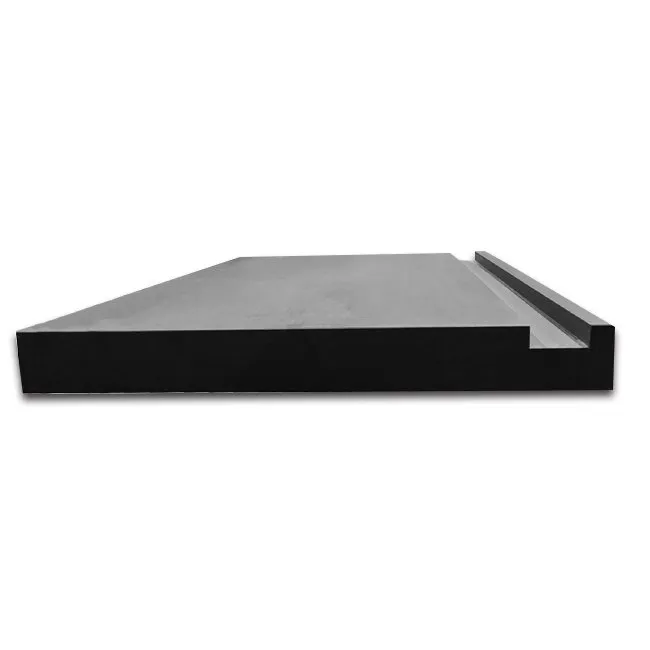
To mitigate these effects, some XY stages are made from materials with lower coefficients of thermal expansion, such as granite. Granite is known for its excellent thermal stability, making it an ideal material for precision applications. Our Precision Granite Cross Beam and Granite Measuring Machine Components are designed to provide high precision and stability even in varying temperature environments.
Lubrication and Friction
Lubrication is another important factor that can be affected by temperature. At low temperatures, lubricants can become viscous, increasing friction and reducing the smoothness of the stage's movement. On the other hand, at high temperatures, lubricants can break down, leading to increased wear and tear on the stage's components.

To ensure optimal performance, it's important to use lubricants that are designed to operate within the specified temperature range of the XY stage. Additionally, proper maintenance and regular lubrication can help extend the life of the stage and maintain its accuracy.
Electronic Components
Many XY stages are equipped with electronic components, such as motors, sensors, and controllers. These components can be sensitive to temperature changes, and extreme temperatures can cause them to malfunction or fail.
For example, high temperatures can cause the resistance of electronic components to increase, leading to reduced performance and potential overheating. Low temperatures, on the other hand, can cause the components to become brittle and more prone to damage.
To protect the electronic components of an XY stage, it's important to operate the stage within the recommended temperature range and to provide proper ventilation and cooling if necessary.
Recommended Temperature Range
The recommended temperature range for the operation of an XY stage can vary depending on the specific model and application. However, in general, most XY stages are designed to operate within a temperature range of 20°C to 25°C (68°F to 77°F).
Operating the stage within this temperature range helps to ensure optimal performance, accuracy, and longevity. It also helps to minimize the effects of thermal expansion and contraction, which can lead to dimensional changes and reduced accuracy.
In some cases, it may be necessary to operate the XY stage outside of the recommended temperature range. For example, in industrial applications where the environment is not temperature-controlled, the stage may need to operate at higher or lower temperatures. In these situations, it's important to take extra precautions to ensure the stage's performance and reliability.
Importance of Maintaining the Right Temperature
Maintaining the right temperature for the operation of an XY stage is essential for several reasons.
Accuracy and Repeatability
As mentioned earlier, temperature changes can cause dimensional changes in the stage, which can affect its accuracy and repeatability. By operating the stage within the recommended temperature range, you can minimize these effects and ensure that the stage provides consistent and accurate results.
Component Life
Extreme temperatures can cause the components of an XY stage to wear out more quickly, leading to increased maintenance and replacement costs. By maintaining the right temperature, you can extend the life of the stage's components and reduce the need for frequent repairs.
Productivity
Operating the XY stage within the recommended temperature range can help to improve productivity by reducing the likelihood of downtime due to component failure or inaccurate results. This can save time and money in the long run.
How to Control the Temperature
There are several ways to control the temperature of an XY stage to ensure it operates within the recommended range.
Temperature-Controlled Environment
One of the most effective ways to control the temperature of an XY stage is to operate it in a temperature-controlled environment. This can be achieved by using a climate-controlled room or enclosure, which can help to maintain a consistent temperature and humidity level.
Cooling and Heating Systems
In some cases, it may be necessary to use cooling or heating systems to maintain the temperature of the XY stage. For example, if the stage is operating in a high-temperature environment, a cooling system can be used to reduce the temperature and prevent overheating. Similarly, if the stage is operating in a low-temperature environment, a heating system can be used to maintain the temperature and prevent the components from becoming brittle.
Thermal Insulation
Thermal insulation can also be used to help control the temperature of an XY stage. By insulating the stage and its components, you can reduce the amount of heat transfer between the stage and its environment, which can help to maintain a consistent temperature.
Conclusion
In conclusion, understanding the temperature range for the operation of an XY stage is essential for ensuring its optimal performance, accuracy, and longevity. By considering the factors that affect the temperature range, maintaining the right temperature, and using appropriate temperature control methods, you can ensure that your XY stage provides reliable and accurate results.
If you're in the market for an XY stage or have any questions about temperature control and performance, we'd be happy to help. Our team of experts can provide you with the information and support you need to make the right decision for your application. Contact us today to start a conversation about your XY stage requirements.
References
- Manufacturer's specifications for XY stages
- Industry standards and guidelines for precision equipment operation
- Research studies on the effects of temperature on mechanical and electronic components