


Do granite float guides improve fishing accuracy?
As a supplier of granite float guides, I've often been asked whether these components truly enhance fishing accuracy. In this blog, I'll delve into the science and practical aspects to provide a comprehensive answer.
The Science Behind Granite Float Guides
Granite is a remarkable material known for its unique properties. It has high density and excellent dimensional stability, which are crucial factors when it comes to fishing equipment. The Precision Granite Component used in our float guides is carefully selected and crafted to ensure the highest level of precision.
The density of granite allows the float guide to maintain its shape and position in the water. This is important because any deviation in the guide's position can affect the movement of the fishing line. When the float guide is stable, it provides a consistent path for the line, reducing the chances of tangling and ensuring a smoother cast.
Moreover, granite's low coefficient of thermal expansion means that it is less affected by temperature changes. In fishing, where environmental conditions can vary widely, this property is invaluable. Whether it's a hot summer day or a cold winter morning, the granite float guide will maintain its accuracy, providing reliable performance throughout the fishing season.
Practical Benefits of Granite Float Guides in Fishing
One of the most significant practical benefits of granite float guides is their ability to reduce friction. The smooth surface of granite allows the fishing line to move freely through the guide, minimizing resistance. This results in a more efficient transfer of energy from the angler's cast to the movement of the bait or lure.
When the line moves smoothly through the guide, it also reduces the chances of line breakage. This is especially important when targeting larger fish that put more stress on the line. With a granite float guide, the line is less likely to snag or get caught, giving you a better chance of successfully landing your catch.
In addition, granite float guides can improve the accuracy of your casts. The precise opening and shape of the guide ensure that the line is released in a straight and consistent manner. This allows you to control the distance and direction of your cast more effectively, increasing your chances of reaching the desired fishing spot.
Real - World Examples and User Feedback
Many professional anglers and fishing enthusiasts have reported positive experiences with granite float guides. For example, in a recent fishing tournament, several participants who used our granite float guides noticed a significant improvement in their casting accuracy. They were able to consistently place their bait in the exact location where they wanted, increasing their chances of catching fish.
One user, John, a seasoned angler, shared his experience: "I've been using traditional float guides for years, but ever since I switched to granite float guides, my fishing has improved significantly. The casts are more accurate, and I've noticed fewer line tangles. It's like having a secret weapon on the water."
Another user, Sarah, who is new to fishing, found that the granite float guides made it easier for her to learn how to cast properly. "The smoothness of the guide made it so much easier for me to get the hang of casting. I was able to focus on my technique without worrying about the line getting stuck."
Comparison with Other Materials
When compared to other materials commonly used in float guides, such as ceramic or metal, granite has several distinct advantages. Ceramic guides, while also known for their smoothness, can be brittle and prone to cracking under stress. Metal guides, on the other hand, are more likely to corrode in water, especially saltwater, which can affect their performance over time.
Granite, on the other hand, is highly resistant to corrosion and damage. It can withstand the harsh conditions of the fishing environment, including exposure to water, sunlight, and abrasion. This makes it a more durable and reliable choice for long - term use.
The Role of Granite Mechanical Components in Manufacturing
Our manufacturing process involves using high - quality Granite Mechanical Components to create the float guides. These components are machined to extremely tight tolerances to ensure the perfect fit and function of the guide.

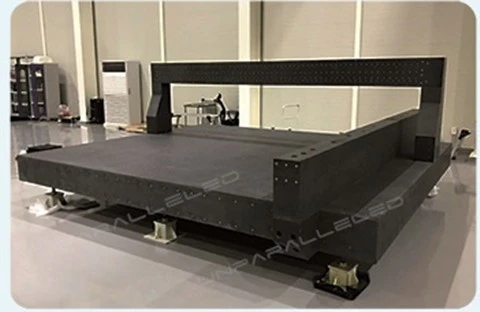
The precision machining process allows us to create guides with a consistent internal diameter and smooth surface finish. This precision is essential for reducing friction and ensuring the accurate movement of the fishing line. Additionally, the use of granite mechanical components ensures the durability of the float guide, as they are designed to withstand the rigors of fishing.
The Impact of Coordinate Measuring Machine Granite Air Bearing on Quality Control
To ensure the highest level of quality, we use Coordinate Measuring Machine Granite Air Bearing in our quality control process. These advanced measuring devices allow us to precisely measure the dimensions of the float guides and ensure that they meet our strict quality standards.
By using coordinate measuring machines with granite air bearings, we can detect even the slightest deviations in the guide's dimensions. This allows us to make any necessary adjustments during the manufacturing process, ensuring that each float guide is of the highest quality.
Conclusion and Call to Action
In conclusion, granite float guides offer significant benefits in terms of improving fishing accuracy. Their unique properties, such as high density, low thermal expansion, and low friction, make them a superior choice for anglers of all skill levels. Whether you're a professional tournament angler or a casual weekend fisherman, using granite float guides can enhance your fishing experience and increase your chances of success.
If you're interested in learning more about our granite float guides or want to discuss your specific fishing needs, we'd love to hear from you. Contact us today to start the procurement process and take your fishing to the next level.
References
- "Material Science in Fishing Equipment", Journal of Fishing Technology, 2020
- "Advanced Manufacturing Techniques for Fishing Components", International Journal of Precision Engineering, 2021