



In industries where precision and durability are critical, the choice of metrology instruments can make a significant difference in both performance and longevity. Alumina ceramic metrology instruments are the preferred solution for demanding environments, providing unmatched wear resistance and consistent measurement accuracy.
The exceptional hardness of alumina ceramic makes these instruments remarkably resistant to abrasion, deformation, and surface wear. Unlike traditional steel or aluminum measuring tools, they maintain their precise dimensions even after prolonged use in challenging conditions. This wear resistance ensures reliable, repeatable measurements, which are crucial in sectors such as aerospace, automotive, semiconductor manufacturing, and high-precision CNC machining.
Another advantage of alumina ceramic instruments is their inherent stability under extreme conditions. They are resistant to corrosion, chemical attack, and thermal expansion, allowing them to perform accurately in environments where conventional tools might fail. Whether exposed to cutting fluids, coolants, or fluctuating temperatures, alumina ceramics maintain their integrity, supporting consistent quality control and reducing the need for frequent recalibration.
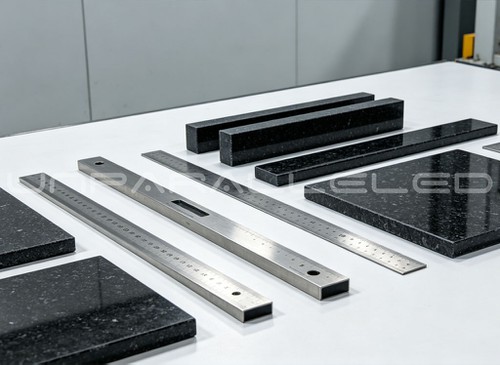
For B2B purchasers and engineers working in high-demand production settings, these instruments offer both performance and cost-effectiveness. Their durability minimizes downtime, reduces maintenance costs, and ensures reliable measurements across the most challenging applications. Investing in alumina ceramic metrology instruments is not just a choice for precision-it is a strategic decision that enhances operational efficiency and guarantees consistent results in environments where accuracy cannot be compromised.
In conclusion, for companies seeking instruments that combine precision, resilience, and long-term reliability, alumina ceramic metrology tools are unmatched. They provide the wear resistance and stability required to meet the rigorous demands of modern industrial and manufacturing environments, making them an indispensable asset for high-precision operations.