


Troubleshooting vertical linear stages when they malfunction is a crucial skill for anyone involved in precision machinery operations. As a supplier of Vertical Linear Stages, I've encountered a wide range of issues over the years. In this blog, I'll share some practical tips and strategies to help you diagnose and resolve common problems with vertical linear stages.
Understanding the Basics of Vertical Linear Stages
Before diving into troubleshooting, it's essential to have a basic understanding of how vertical linear stages work. A vertical linear stage is a mechanical device that provides precise linear motion along a vertical axis. It typically consists of a base, a moving platform, a drive mechanism (such as a ball screw or a linear motor), and a guide system to ensure smooth and accurate movement.
Common Malfunctions and Their Causes
1. Inconsistent Movement
- Cause: One of the most common causes of inconsistent movement is a misaligned or damaged guide system. Over time, the guides can wear out, or debris can accumulate, causing the stage to move unevenly.
- Solution: Inspect the guide system for signs of wear or damage. Clean the guides thoroughly and lubricate them if necessary. If the guides are severely damaged, they may need to be replaced.
2. Excessive Noise
- Cause: Excessive noise during operation can be caused by several factors, including loose components, worn bearings, or a misaligned drive mechanism.
- Solution: Check all the components of the stage for tightness. Tighten any loose bolts or screws. Inspect the bearings for wear and replace them if necessary. Ensure that the drive mechanism is properly aligned.
3. Positioning Errors
- Cause: Positioning errors can occur due to a variety of reasons, such as a faulty encoder, a misaligned drive mechanism, or a problem with the control system.
- Solution: Check the encoder for proper operation. If the encoder is faulty, it may need to be replaced. Ensure that the drive mechanism is properly aligned and that the control system is calibrated correctly.
4. Overheating
- Cause: Overheating can be caused by a number of factors, including excessive friction, a malfunctioning cooling system, or a problem with the power supply.
- Solution: Check the stage for signs of excessive friction. Lubricate the moving parts if necessary. Inspect the cooling system to ensure that it is working properly. Check the power supply for any issues.
Troubleshooting Steps
Step 1: Visual Inspection
- Start by visually inspecting the vertical linear stage for any obvious signs of damage or wear. Look for loose components, broken parts, or signs of debris.
- Check the guide system for any signs of misalignment or damage. Make sure that the guides are clean and lubricated.
Step 2: Check the Power Supply
- Ensure that the power supply is providing the correct voltage and current to the stage. Check the power cables for any signs of damage or loose connections.
- If the stage is not receiving power, check the circuit breaker or fuse to make sure it has not tripped.
Step 3: Test the Drive Mechanism
- If the stage is not moving, test the drive mechanism to make sure it is working properly. This may involve checking the motor, the ball screw, or the linear motor.
- If the drive mechanism is not working, it may need to be repaired or replaced.
Step 4: Check the Control System
- The control system is responsible for controlling the movement of the stage. Check the control system for any error messages or faults.
- If the control system is not working properly, it may need to be calibrated or repaired.
Step 5: Consult the Manufacturer's Manual
- If you are still unable to troubleshoot the problem, consult the manufacturer's manual for the vertical linear stage. The manual may provide additional troubleshooting tips or instructions.
Using Complementary Products for Troubleshooting
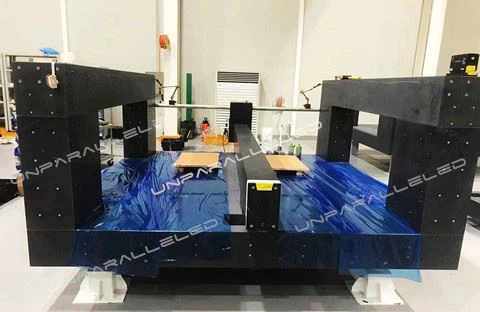
When troubleshooting vertical linear stages, it can be beneficial to use complementary products that enhance the performance and stability of the stage. For example, a Granite Vibration Insulated Platform can help reduce vibrations and improve the accuracy of the stage. Similarly, Granite Machinery Component and Custom Granite Components For CNC can provide a stable and precise base for the stage, reducing the risk of misalignment and improving overall performance.

Conclusion
Troubleshooting vertical linear stages when they malfunction requires a systematic approach and a good understanding of the stage's components and operation. By following the steps outlined in this blog, you can diagnose and resolve common problems with vertical linear stages quickly and effectively. If you need further assistance or have any questions, please don't hesitate to contact us. We are a leading supplier of Vertical Linear Stages and can provide you with the support and expertise you need to keep your equipment running smoothly. Whether you are looking to purchase a new vertical linear stage or need help troubleshooting an existing one, we are here to help. Contact us today to discuss your requirements and explore how we can meet your needs.
References
- Manufacturer's manuals for vertical linear stages
- Industry standards and best practices for precision machinery troubleshooting